Contractor Public Liability Insurance

Public Liability Insurance

Fast quotes. Instant documents. Insurance that meets site requirements.

At Contractor Cover, we provide straightforward public liability insurance for Australian contractors, tradies, and small businesses. Get a fast online quote or speak directly with an experienced broker who understands your work. We focus on the cover you need to meet contract and site requirements, without unnecessary extras.

Get a quote in minutes. Receive your Certificate of Currency instantly.
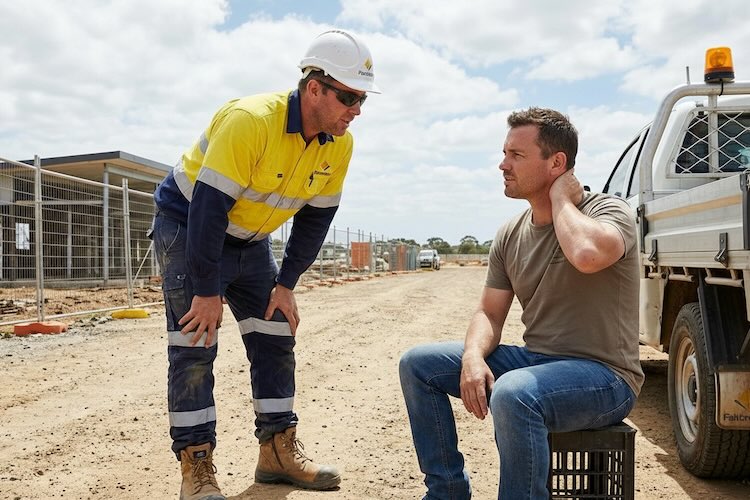
Contractor with public liability insurance talking to a civilian who has injured their neck

Compare Multiple Quotes

Fast, Affordable Cover

20+ Years of Experience

270k+ Businesses Covered

Contractor Cover insurance broker explaining public liability cover

What Does Public Liability Insurance Cover?

Public liability insurance protects your contracting business if your work causes injury to a third party or damage to someone else’s property. It is designed to respond to claims made by clients, site visitors, or members of the public, not your own business.

For contractors and tradies, this cover is critical because even small incidents can lead to large legal and compensation costs.

Your public liability insurance may cover the following:

Covers injury or illness suffered by someone other than you or your employees as a result of your work activities.

Examples include:

  • A client slipping on a wet surface you created
  • A site visitor injured by falling materials
  • A member of the public hurt due to unsafe work conditions

The policy can cover medical costs, rehabilitation expenses, and compensation payments if you are found legally responsible.

Covers accidental damage to property that does not belong to you.

This may include:

  • Damage to a client’s home or commercial building
  • Damage to neighbouring property
  • Damage to equipment or fixtures owned by others

For many contractors, property damage claims are the most common public liability claims.

Even if a claim is not valid, defending it can be expensive.

Public liability insurance can cover:

  • Legal representation
  • Investigation and expert reports
  • Court and tribunal costs
  • Settlement negotiations

These costs are usually covered in addition to your liability limit, depending on the policy.

If you are found legally liable, the policy can cover:

  • Court-ordered compensation
  • Agreed settlements
  • Associated legal costs

This protects your business from having to fund large payouts from cash flow or personal assets.

Most public liability policies for contractors also include products liability.

This covers claims arising from:

  • Products you supply, install, or manufacture
  • Faulty materials that cause injury or damage after installation
  • Completed work that later causes loss

Products liability is essential if your work involves installing, modifying, or supplying materials or components.

Depending on your work and policy selection, optional extensions may include:

  • Limited cover for subcontractors (when disclosed)
  • Tools and equipment extensions
  • Higher property damage sub-limits

Your broker will confirm what applies to your trade and contracts.

Public liability insurance is not designed to cover every risk. Understanding exclusions is essential.

It generally does not cover:

  • Injuries to you or your employees: Injuries to workers are covered under workers compensation insurance, not public liability.
  • Damage to your own property or tools: Loss or damage to your own equipment, vehicles, or tools requires general property or tools insurance.
  • Professional advice, errors, or negligence: Claims relating to advice, design, specifications, or professional services are covered by professional indemnity insurance, not public liability.
  • Defective workmanship itself: Public liability may cover damage caused by faulty work, but it does not usually cover the cost to redo or fix the work itself.
  • Deliberate, reckless, or illegal acts: Intentional damage, unlawful activity, or reckless conduct is excluded.
  • Contractual liabilities beyond legal responsibility: Claims arising solely from contract terms that go beyond normal legal liability may not be covered.
Public Liability Insurance Pricing

How Much Public Liability Cover Do You Need?

Different worksites and contracts require different limits. We help you choose the right level based on how and where you work.

$5 million cover

Best suited to:

  • Sole traders
  • Lower-risk contractors
  • Residential or low-risk client work
  • Up to two workers

Includes:

  • $5 million public liability
  • Optional product liability limits
  • Certificate of Currency emailed in minutes
  • Property in care, custody, and control included (up to policy limits)

$20 million cover

Required for higher-risk and regulated sites.

Best suited to:

  • Commercial construction and larger commercial sites
  • Mining and industrial sites
  • Tier-one builder contracts or major client requirements
  • Large teams or labour hire

Includes:

  • $20 million public liability
  • Higher product liability options
  • Immediate documentation
  • Property in care, custody, and control included
If you are unsure which limit you need, we will check your contracts and site requirements for you.

How Much Does Public Liability Insurance Cost?

Some premiums can start from as little as $30 a month (low-risk businesses), but the cost of your public liability insurance depends on:

  • The type of contractor work you perform
  • What industry you are in
  • The size of your business in terms of revenue
  • If you have employees or contractors yourself
  • Where you operate
  • If you work at hazardous locations
  • How much you decide to insure for from $5 million upwards

The premium will essentially be determined by the potential risks your business faces and size of the businesses. The higher the risks and bigger the business the higher the premium.

Important Note: Make sure your insurance covers exactly what you do. Don’t risk saving a few dollars per month for cover that will be of no use when it comes to claim time. Underinsurance is a great financial risk to Australian businesses. If you need to double-check your policy, get in touch with Contractor Cover and we’ll be happy to review it for you.

Insurance explaining the cost of public liability insurance for contractors

How to Get Public Liability Insurance

Getting public liability insurance with Contractor Cover is quick and straightforward. Follow these steps to get covered, meet site requirements, and receive your documents fast.

1

Tell Us About Your Work

Complete our short online form with details about your profession or trade, type of work, turnover, and whether you use subcontractors or employees.

2

Review Your Cover Options

One of our Australian-based brokers reviews your details and confirms the right public liability limits to meet your contract and site requirements.

3

Get Covered and Receive Documents

Once approved, your policy is put in place and your Certificate of Currency is issued, often within minutes, so you can get on site without delay.

Note: Public liability insurance is often required by builders, councils, and worksites before work begins. Cover is subject to policy terms, conditions, exclusions, and insurer acceptance.

Who Needs Public Liability Insurance?

Public liability insurance is essential for anyone whose work could cause injury to another person or damage to someone else’s property. If your business operates outside your own home, interacts with clients, or works on third-party sites, public liability insurance is strongly recommended and often required.

It is one of the most common insurance policies held by contractors, tradies, and small business operators across Australia.

It is most commonly taken out by:

Most contractors and tradespeople need public liability insurance to meet site and contract requirements.

This includes, but is not limited to:

  • Builders and subcontractors
  • Electricians, plumbers, and gas fitters
  • Carpenters, concreters, and roofers
  • Painters, tilers, and plasterers
  • Landscapers and earthmoving contractors
  • Cleaners and maintenance contractors
  • Fencers, glaziers, and installers

If your work involves tools, machinery, materials, or access to client property, public liability insurance helps protect you if something goes wrong.

Sole traders are among the most common public liability policyholders.

You should consider public liability insurance if you:

  • Operate under your own ABN
  • Work directly for clients
  • Attend residential, commercial, or construction sites
  • Advertise or quote for work independently

Even if you work alone, you are still legally responsible for third-party injury or property damage arising from your work.

Subcontractors often assume they are covered under a head contractor’s insurance. This is not always the case.

You typically need your own public liability insurance if:

  • You invoice under your own ABN
  • You supply your own tools or materials
  • You work across multiple builders or sites
  • Your contract requires you to hold your own insurance

Many builders will not engage subcontractors without proof of public liability insurance.

Any business that operates on someone else’s property or in public spaces should consider public liability insurance.

This includes:

  • Contractors working in homes or offices
  • Businesses operating on building sites
  • Businesses working in public areas, such as footpaths or shared spaces
  • Mobile service providers and on-site technicians

Claims can arise even when work is completed correctly.

Public liability insurance is relevant beyond construction and trades.

You may need cover if your business:

  • Has clients or visitors on site
  • Operates from rented or shared premises
  • Provides services at client locations
  • Attends events, markets, or temporary sites

Accidents involving third parties can occur in any setting.

Public liability insurance is often mandatory for mining, industrial, and high-risk worksites.

These environments usually require:

  • Higher liability limits
  • Evidence of cover before site access
  • Compliance with strict contractual conditions

Contractor Cover regularly assists contractors working in these sectors with compliant policies.

When Public Liability Is Commonly Required (by contracts, licences & sites)

Public liability insurance is not universally required by law for every business in every Australian state or territory. In practice, it is often requested as a condition of doing work, getting access to a site or venue, or meeting procurement requirements.

Some occupations and registered professionals may have separate insurance requirements under registration, legislation, or industry rules. This is often Professional Indemnity insurance rather than public liability.

New South Wales

Commonly required in these situations

  • Commercial contracts, MSAs, supplier onboarding, and procurement requirements
  • Principal contractor, head contractor, and subcontractor agreements
  • Site, venue, event, or facility access rules (including inductions where applicable)
  • Council permits or approvals, where relevant to the work
  • Licence, accreditation, or industry scheme conditions, where applicable
Practical reality Commonly requested for on-site work, government or council projects, and many commercial contracts.
Victoria

Commonly required in these situations

  • Commercial contracts, MSAs, supplier onboarding, and procurement requirements
  • Construction, maintenance, services, and labour-hire style agreements
  • Site, venue, event, or facility access rules (including inductions where applicable)
  • Council permits or approvals, where relevant to the work
  • Licence, accreditation, or industry scheme conditions, where applicable
Practical reality Often requested before work starts, especially where you are working on a client site or dealing with the public.
Queensland

Commonly required in these situations

  • Commercial contracts, MSAs, supplier onboarding, and procurement requirements
  • Principal contractor, head contractor, and subcontractor agreements
  • Site, venue, event, or facility access rules (including inductions where applicable)
  • Council permits or approvals, where relevant to the work
  • Licence, accreditation, or industry scheme conditions, where applicable
Practical reality Commonly requested for site access and to meet contract or procurement conditions across many industries.
Western Australia

Commonly required in these situations

  • Commercial contracts, MSAs, supplier onboarding, and procurement requirements
  • Principal contractor, head contractor, and subcontractor agreements
  • Site, venue, event, or facility access rules (including inductions where applicable)
  • Council permits or approvals, where relevant to the work
  • Licence, accreditation, or industry scheme conditions, where applicable
Practical reality Many sites and clients request a Certificate of Currency before granting access or issuing work orders.
South Australia

Commonly required in these situations

  • Commercial contracts, MSAs, supplier onboarding, and procurement requirements
  • Principal contractor, head contractor, and subcontractor agreements
  • Site, venue, event, or facility access rules (including inductions where applicable)
  • Council permits or approvals, where relevant to the work
  • Licence, accreditation, or industry scheme conditions, where applicable
Practical reality Often requested for client work, on-site services, and council or government tenders and panels.
Tasmania

Commonly required in these situations

  • Commercial contracts, MSAs, supplier onboarding, and procurement requirements
  • Principal contractor, head contractor, and subcontractor agreements
  • Site, venue, event, or facility access rules (including inductions where applicable)
  • Council permits or approvals, where relevant to the work
  • Licence, accreditation, or industry scheme conditions, where applicable
Practical reality Commonly requested where the work involves client premises, public interaction, or contract deliverables.
Australian Capital Territory

Commonly required in these situations

  • Commercial contracts, MSAs, supplier onboarding, and procurement requirements
  • Government, council, and panel style procurement arrangements
  • Site, venue, event, or facility access rules (including inductions where applicable)
  • Council permits or approvals, where relevant to the work
  • Licence, accreditation, or industry scheme conditions, where applicable
Practical reality Often requested upfront as part of onboarding, tendering, or site access requirements.
Northern Territory

Commonly required in these situations

  • Commercial contracts, MSAs, supplier onboarding, and procurement requirements
  • Government, council, and panel style procurement arrangements
  • Remote, industrial, mining, or high-risk site access rules (including inductions where applicable)
  • Council permits or approvals, where relevant to the work
  • Licence, accreditation, or industry scheme conditions, where applicable
Practical reality Remote and higher-risk sites may request higher limits and specific endorsements, depending on contract and site rules.
State or Territory Commonly required in these situations Practical reality
New South Wales
  • Commercial contracts, MSAs, supplier onboarding, and procurement requirements
  • Principal contractor, head contractor, and subcontractor agreements
  • Site, venue, event, or facility access rules (including inductions where applicable)
  • Council permits or approvals, where relevant to the work
  • Licence, accreditation, or industry scheme conditions, where applicable
Commonly requested for on-site work, government or council projects, and many commercial contracts.
Victoria
  • Commercial contracts, MSAs, supplier onboarding, and procurement requirements
  • Construction, maintenance, services, and labour-hire style agreements
  • Site, venue, event, or facility access rules (including inductions where applicable)
  • Council permits or approvals, where relevant to the work
  • Licence, accreditation, or industry scheme conditions, where applicable
Often requested before work starts, especially where you are working on a client site or dealing with the public.
Queensland
  • Commercial contracts, MSAs, supplier onboarding, and procurement requirements
  • Principal contractor, head contractor, and subcontractor agreements
  • Site, venue, event, or facility access rules (including inductions where applicable)
  • Council permits or approvals, where relevant to the work
  • Licence, accreditation, or industry scheme conditions, where applicable
Commonly requested for site access and to meet contract or procurement conditions across many industries.
Western Australia
  • Commercial contracts, MSAs, supplier onboarding, and procurement requirements
  • Principal contractor, head contractor, and subcontractor agreements
  • Site, venue, event, or facility access rules (including inductions where applicable)
  • Council permits or approvals, where relevant to the work
  • Licence, accreditation, or industry scheme conditions, where applicable
Many sites and clients request a Certificate of Currency before granting access or issuing work orders.
South Australia
  • Commercial contracts, MSAs, supplier onboarding, and procurement requirements
  • Principal contractor, head contractor, and subcontractor agreements
  • Site, venue, event, or facility access rules (including inductions where applicable)
  • Council permits or approvals, where relevant to the work
  • Licence, accreditation, or industry scheme conditions, where applicable
Often requested for client work, on-site services, and council or government tenders and panels.
Tasmania
  • Commercial contracts, MSAs, supplier onboarding, and procurement requirements
  • Principal contractor, head contractor, and subcontractor agreements
  • Site, venue, event, or facility access rules (including inductions where applicable)
  • Council permits or approvals, where relevant to the work
  • Licence, accreditation, or industry scheme conditions, where applicable
Commonly requested where the work involves client premises, public interaction, or contract deliverables.
Australian Capital Territory
  • Commercial contracts, MSAs, supplier onboarding, and procurement requirements
  • Government, council, and panel style procurement arrangements
  • Site, venue, event, or facility access rules (including inductions where applicable)
  • Council permits or approvals, where relevant to the work
  • Licence, accreditation, or industry scheme conditions, where applicable
Often requested upfront as part of onboarding, tendering, or site access requirements.
Northern Territory
  • Commercial contracts, MSAs, supplier onboarding, and procurement requirements
  • Government, council, and panel style procurement arrangements
  • Remote, industrial, mining, or high-risk site access rules (including inductions where applicable)
  • Council permits or approvals, where relevant to the work
  • Licence, accreditation, or industry scheme conditions, where applicable
Remote and higher-risk sites may request higher limits and specific endorsements, depending on contract and site rules.
Disclaimer: Requirements depend on your occupation, contracts, licences, and where and how you work. In some fields, registration or licensing may require certain types of insurance (often Professional Indemnity rather than public liability).

Benefits of Tailored Contractor Public Liability Insurance

Protects Against Costly Claims

Covers legal costs and compensation if your work causes injury or damage, helping protect your business finances and personal assets.

Meets Site Entry Requirements

Provides the Certificate of Currency builders, councils, and clients require before allowing you to start or continue work.

Safeguards Your Cash Flow

Prevents unexpected claims from draining savings or disrupting income, allowing you to keep operating without financial stress.

Builds Client Confidence

Shows clients you operate professionally and responsibly, increasing trust and helping you secure more work opportunities.

Covers Worksite Accidents

Responds when accidents occur on site or at client premises, even when incidents happen unexpectedly or outside your control.

Supports Business Continuity

Helps your business continue trading during claims or disputes by handling legal defence and compensation obligations.

Why Choose Our Contractor Insurance Specialists?

We know contractors need reliable cover without the hassle. That is why over 270,000 Aussie small businesses trust us.

  • Contractor-Specific Knowledge: Our brokers understand tradie risks and jobs. Get faster service, practical advice, and cover that suits your work. Check plumbers insurance or electrician insurance.
  • Compare Multiple Quotes Easily: Using our online quoter, you can compare multiple quotes to find the right cover for your needs, saving both time and money.
  • Instant & Affordable: Grab a quote online, set up cover, and get documents in minutes. Want to chat? Our team picks up the phone.
  • Backed by Experience: We are part of Elliott Insurance Brokers with over 20 years helping contractors. Enjoy personal service with solid support.
  • Sustainable and Ethical: As a carbon-neutral business, we look after the planet while protecting your crew.
Contractor wearing hi vis shaking a Contractor Cover broker's hand
Contractor Cover broker shaking a contractor's hand

About Us

Contractor Cover broker shaking a contractor's hand

Contractor Cover is the one-stop insurance shop for contractors across Australia.

We understand that contractors require targeted business insurance which offers both value for money and optimal cover. With that in mind, we’ve packaged the most common insurances the average contractor needs into a single policy. This means that you don’t need to waste your time contending with multiple policies – everything you need is included in one convenient package.

Speak with our team today for more information or fill in our easy online quote form.

270k+ businesses covered

20+ years of experience

Instant, affordable cover

FAQs

Public liability insurance protects your business if your work causes injury to a third party or damage to someone else’s property. It can cover legal defence costs and compensation payments if a claim is made against you.

Yes. Sole traders are one of the most common holders of public liability insurance. If you work under your own ABN and interact with clients, the public, or worksites, public liability insurance is strongly recommended.

Public liability insurance is not compulsory in all industries under Australian law. However, it is often mandatory under contracts, licence conditions, or site entry requirements.

Yes. Public liability insurance is designed to cover contractors and tradespeople for claims arising from their work activities, subject to policy terms and conditions.

It depends on how they are engaged and how your policy is set up.

Labour-only subcontractors working under your supervision and declared to your insurer may be covered under your policy.

Subcontractors operating under their own ABN, supplying their own tools, and working independently usually need their own public liability insurance.

Always disclose subcontractor arrangements when arranging cover, as incorrect classification can affect claims.

No. Injuries to employees are covered under workers compensation insurance, not public liability insurance. Public liability only covers third parties.

Yes. Public liability insurance generally covers accidental damage to third-party property caused by your work. It does not usually cover damage to your own property or tools.

No. Public liability insurance covers injury or property damage. Professional indemnity insurance covers claims related to advice, design, errors, or negligence. Many contractors need both, depending on their work.

No. Business insurance is a broad term that may include several types of cover, such as public liability, property insurance, and business interruption. Public liability insurance is one specific type of business insurance.

In Australia, general liability insurance is commonly referred to as public liability insurance. The terms are often used interchangeably, but policy wording should always be checked.

In most cases, public liability insurance premiums are tax deductible as a business expense. You should confirm your specific situation with your accountant or tax adviser.

Yes. Public liability insurance premiums generally include GST. The GST component may be claimable if you are registered for GST.

Yes. Individuals, including sole traders and independent contractors, can take out public liability insurance in their own name or under their ABN.

In some cases, yes. Individuals, associations, or organisations without a formal business structure may still be able to obtain public liability insurance, depending on the activity being insured.

Volunteers may be covered under a public liability policy if they are declared and included in the policy. Coverage is not automatic and must be confirmed at the time the policy is arranged.

If an incident occurs, contact your broker as soon as possible. You will usually need to provide details of the incident, supporting evidence such as photos or reports, and any correspondence received. Your broker will lodge and manage the claim with the insurer.

Yes. Public liability insurance can usually be cancelled if it is no longer required. Refunds depend on the insurer, how long the policy has been active, and whether any claims have been made.

Meet Your Insurance Team

At Contractor Cover, we’re proud to have a dedicated executive team that brings decades of experience, strategic insight, and an unwavering commitment to supporting Australian contractors. 

John Elliott

CEO

Rachael Milne

Chief Financial Officer

Kristofer Wright

Head of Technology

Tim Stingers

Insurance Broking Team Leader